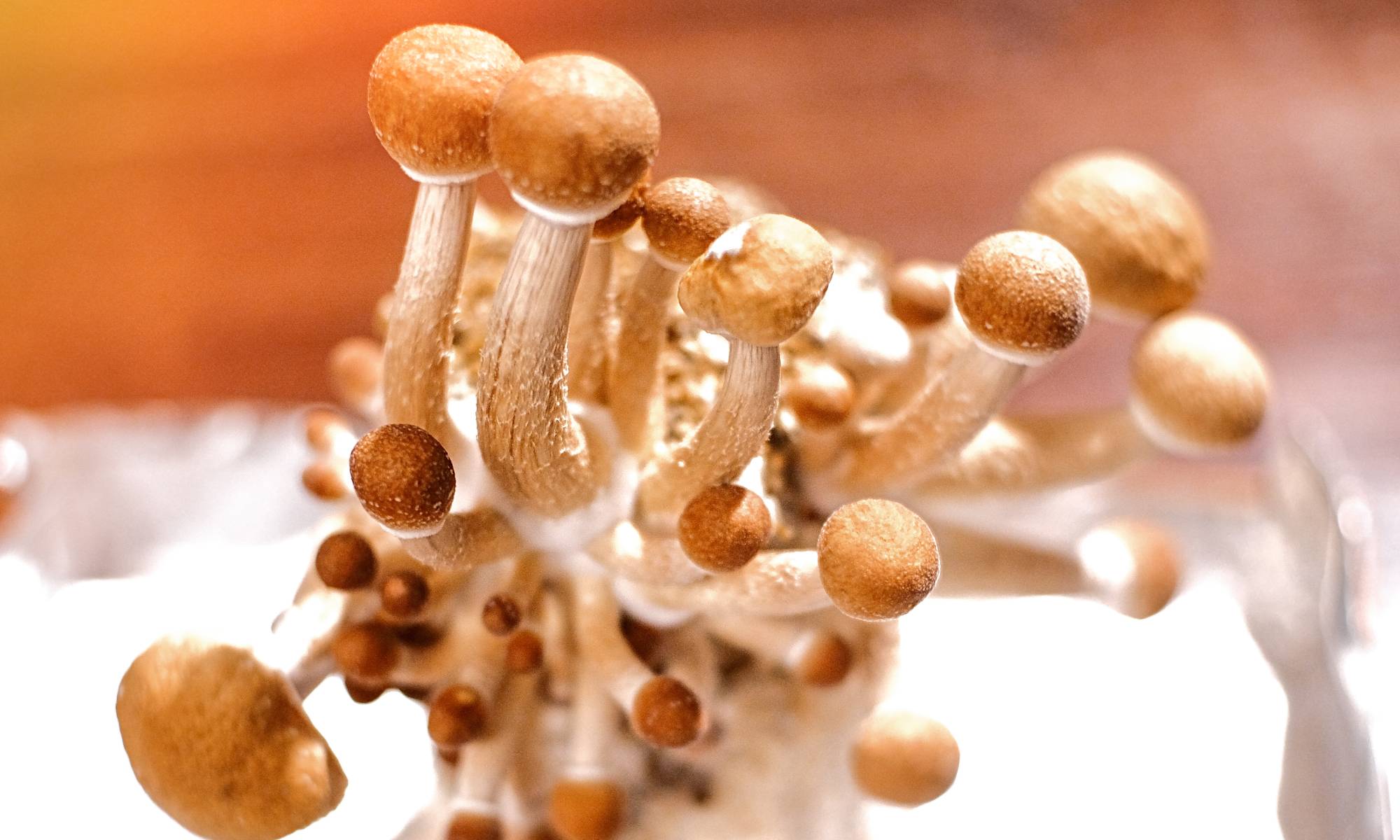

Psylocybin, a substance known mainly for its psychedelic properties, has for years been a symbol of counterculture and experimentation with the perception of reality. Today, in the light of new scientific research, it is beginning to be seen as a potential therapeutic tool, capable of bringing relief to millions of people suffering from a variety of mental disorders.
In today’s world, where mental disorders are becoming increasingly common, scientists and doctors are turning with interest to substances that were once seen only as recreational drugs. Psylocybin, the main ingredient in psychedelic mushrooms, is one such substance whose therapeutic potential is now being intensively investigated.
Scientific studies show that it can have a significant impact on the treatment of depression, anxiety disorders, addiction and other psychiatric conditions. Under controlled conditions, it can induce altered states of consciousness that enable patients to think deeply and reconfigure negative thought patterns.
Psylocybin acts on the serotonin 5‑HT2A receptor in the brain, which initiates a series of profound neurochemical and neurophysiological changes. 5‑HT2A receptors are a key element in the modulation of perception and emotional response, and their activation by psilocybin can lead to breakthrough psychological experiences. When it binds to this receptor, it leads to increased neuronal activity, which in turn intensifies information flow and communication between different brain regions. As a result, areas of the brain that normally operate independently begin to synchronise their activity.
Users can experience intense visualisations, an altered sense of time and space and a feeling of deep connection with the world around them. These experiences can allow patients to access deeply hidden thoughts and feelings, enabling deep introspection and reflection on their own lives, choices and relationships.
With its ability to induce deep states of consciousness and a shift in perspective, psilocybin can help patients work through difficult memories, beliefs and thought patterns. This can bring relief to people suffering from various mental disorders such as depression, anxiety disorders or PTSD, enabling them to break through mental barriers and blocks.
In a medical context, psilocybin is being investigated as a potential treatment for people suffering from treatment-resistant depression, obsessive-compulsive disorder and also as a support for patients in the terminal phase of cancer, helping them to face end-of-life anxiety and depression.
Despite the promising results, this research is still in the development phase and its use in therapy must be carefully regulated and monitored. Challenges related to legalisation, dosage and safety standards are key to the integration of psilocybin into conventional medicine.
The evolution of psilocybin from a recreational substance to a potential therapeutic tool is a breakthrough in the fields of psychiatry and psychology. Scientific discoveries indicate that it could play a key role in the future of mental disorder treatment, opening up new possibilities for millions of people around the world.
As research and knowledge about it progresses, society and the scientific world will need to redefine its place in treatment and potentially remodel approaches to psychedelics as a whole.